When people hear the phrase “invasive species,” they often think of a familiar list of problem plants — Japanese barberry, honeysuckle, or garlic mustard. But the reality is much bigger.
Some of the most serious threats to Western New York’s ecosystems include aggressive plants, diseases, insects, and soil-altering organisms that are quietly reshaping forests, floodplains, and natural areas from the ground up.
Ahead of the upcoming Invasive Species Management and Native Restoration Workshop hosted by the Western New York Land Conservancy, Ecos Cooperative, and Wild Ones Western New York on Saturday, June 13, we spoke with Joshua Konovitz, Ecological Operations Branch Manager with Ecos Cooperative, about the threats that concern him most.
This is Josh’s own list, shaped by what he is seeing firsthand in the field. Some of the threats he named are well established on official invasive species watchlists, while others reflect his own observations of species showing troubling invasive tendencies before they are widely recognized.
Here are five of the threats he believes people in Western New York should be watching closely.
1. Beech leaf disease
If Josh had to name the most alarming threat on the list, this was it.
Beech leaf disease affects American beech trees, one of the most important trees in our regional forests. Beeches are a major part of the classic maple-beech-birch forest community and provide an important food source for wildlife.
What makes beech leaf disease so concerning is how few tools currently exist to stop it.
The disease is associated with a tiny nematode, and current treatments focus more on supporting the tree than solving the underlying issue. Josh worries we may be watching one of our most ecologically important trees decline without a clear path forward.
We have seen this kind of story before with American chestnuts, elms, and ash trees. Beech, unfortunately, may be next.
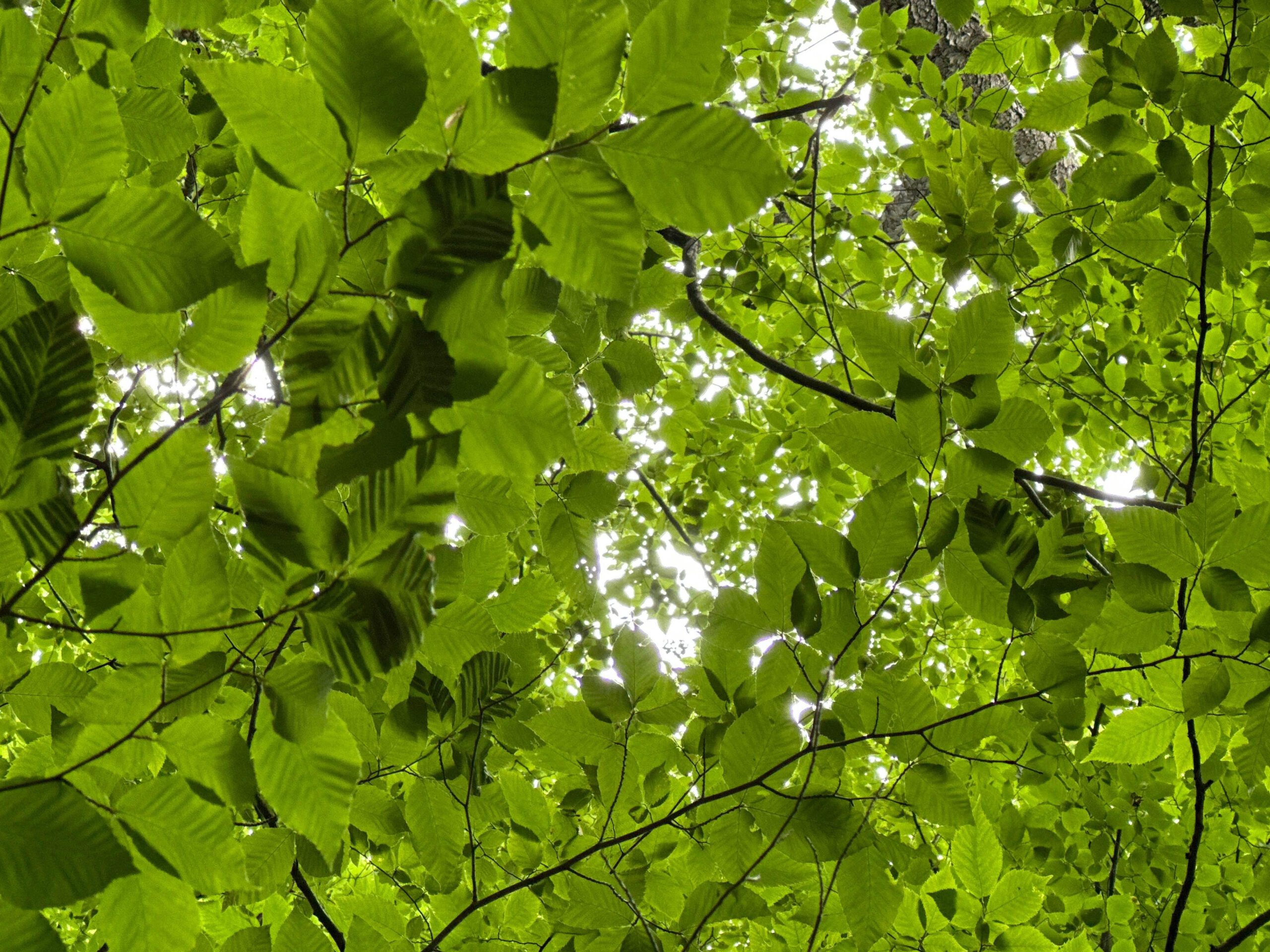
Credit: Brittany Hernon, WNY Land Conservancy
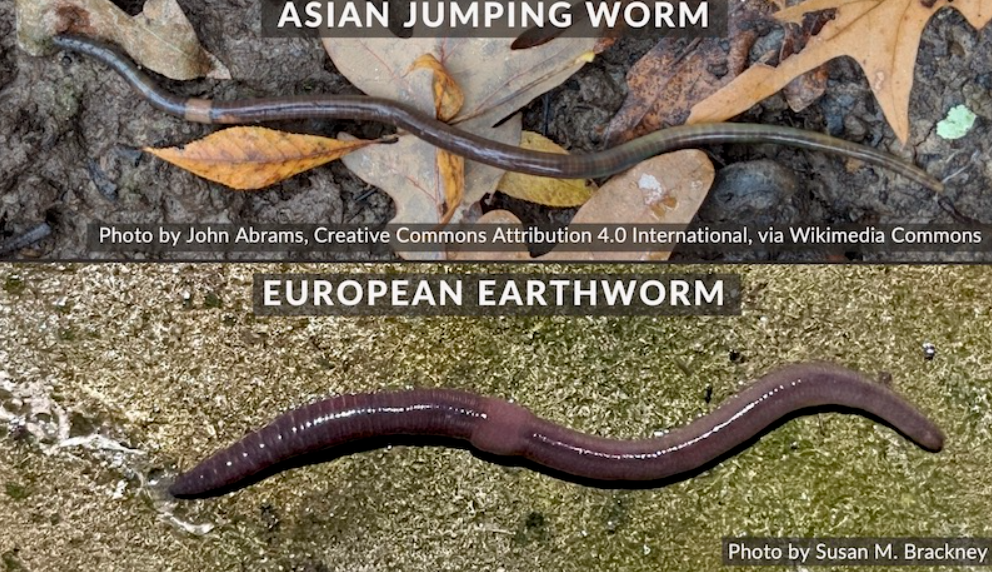
2. Asian jumping worms
Jumping worms have the potential to fundamentally alter the soil beneath our feet.
They spread easily through soil, compost, mulch, potted plants, and even bagged garden products, making them difficult to track and contain.
Our forests evolved without earthworms after the last ice age, and many native woodland plants depend on fungal-dominated soils. Jumping worms quickly consume leaf litter and organic matter, changing soil structure and making it harder for native plants to thrive.
Josh pointed to this as one reason sensitive woodland species, including spring ephemerals and orchids, are becoming harder to sustain.
3. Lesser celandine
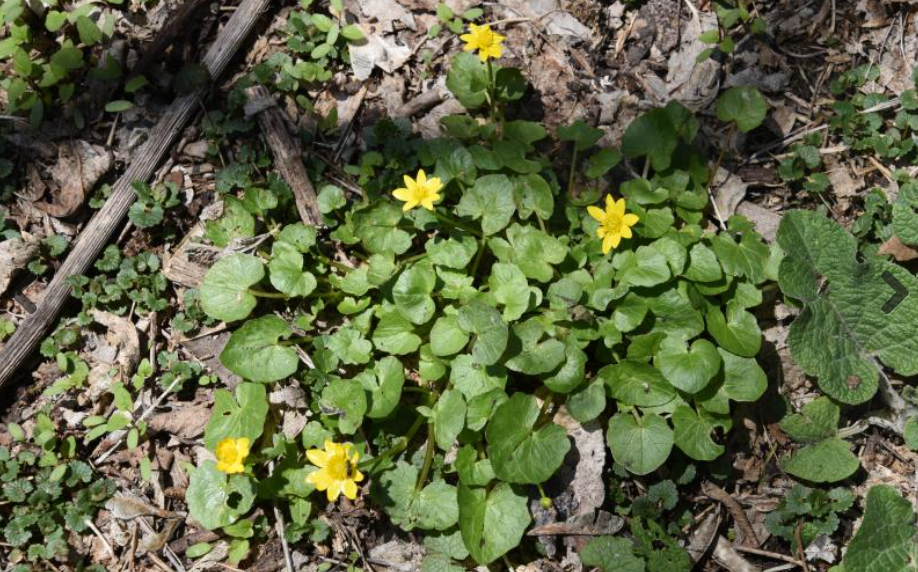
Lesser celandine is a reminder that some invasive species can look harmless at first.
With its bright yellow flowers and early spring bloom time, it is easy to mistake for a welcome sign of the season. But lesser celandine can quickly form dense carpets in floodplains and moist areas, crowding out native spring wildflowers before they have a chance to emerge.
Josh described it as an “unassuming” invader because it appears briefly, disappears quickly, and is often forgotten until the next spring — after it has spread even further.
Its ability to quietly overtake areas once filled with Virginia bluebells and other native spring ephemerals is what makes it especially concerning.
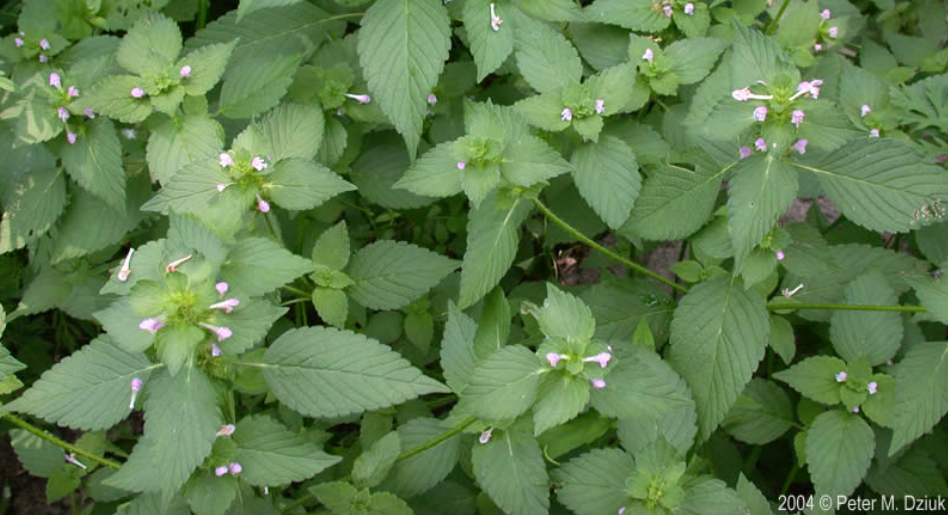
4. European hemp-nettle
This is one most people have probably never heard of.
European hemp-nettle, in the genus Galeopsis, is not yet widely recognized by the public, and Josh noted that this one comes from his own field observations rather than from a well-known official invasive species list.
From his perspective, it is already showing many of the characteristics that make invasive species difficult to manage. It grows quickly, produces a large amount of seed, and appears able to spread rapidly.
Josh has seen it not only in disturbed areas, but also in higher-quality natural areas, including forested preserves. That raises concern that it may be spreading quietly before most people realize it is a problem.
5. Oak wilt
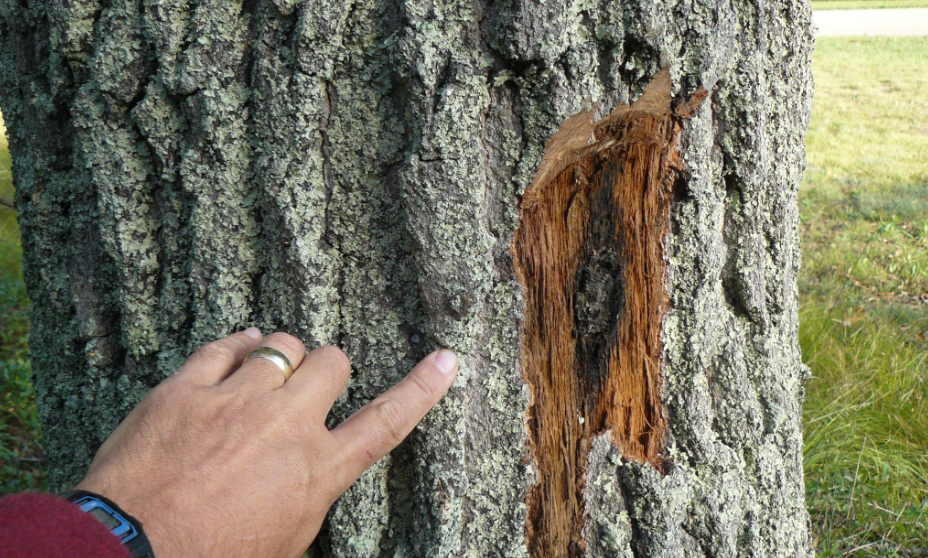
Oak wilt is not yet a major issue in Western New York, but Josh believes it is something we should be watching closely.
The disease can move from infection to tree death very quickly. Oaks can also share connected root systems, allowing the disease to spread from one tree to another.
That is especially troubling because oaks are among the most ecologically valuable trees in our region. They support hundreds of species of butterflies, moths, and other wildlife.
Losing oaks would mean losing one of the most important building blocks of biodiversity in our forests and landscapes.
So what can we actually do?
A list like this can feel overwhelming. But Josh was clear that people do not need to be experts to make a difference. They do need awareness.
Education and outreach, he said, cannot be undervalued. The more people understand what they are looking at — in their backyards, parks, gardens, and woods — the better chance we have of catching problems early and making better decisions.
That can mean learning to identify jumping worms, recognizing lesser celandine before it spreads, avoiding the movement of contaminated soil, or paying closer attention to what we plant and remove from our landscapes.
And it can also be as simple as planting native species.
As Josh put it, every native plant helps restore ecological function. Even small actions matter.
That idea is also at the heart of the June 13 workshop.
The morning session will focus on invasive species management, with Josh leading participants through identification, treatment, and removal approaches. After a short lunch break, Wild Ones Western New York will host Plant This, Not That: Native Alternatives to Common Invasives, a walk-and-talk session focused on what comes next — how to restore landscapes with native plants that support pollinators, birds, and healthier ecosystems.
Paying attention, learning more, and planting better can start to change the story.
Join us on June 13
Invasive Species Management and Native Restoration Workshop
Saturday, June 13
10:00 a.m. – 2:00 p.m.
Kenneglenn Scenic and Nature Preserve, East Aurora, NY
Join the Western New York Land Conservancy, Ecos Cooperative, and Wild Ones Western New York for a collaborative workshop focused on invasive species management and native restoration.
The morning session, from 10:00 a.m. to 12:00 p.m., will be led by Joshua Konovitz, Ecological Operations Branch Manager with Ecos Cooperative, and will focus on identifying invasive plants, treatment and removal methods, and practical management techniques for landowners and property stewards.
From 12:00 p.m. to 12:30 p.m., participants are invited to stay for an informal break with time to ask questions, visit the Wild Ones information table, meet volunteers, and bring a lunch to enjoy on site.
The afternoon session, from 12:30 p.m. to 2:00 p.m., will be led by Wild Ones Western New York and will feature a walk-and-talk learning session called Plant This, Not That: Native Alternatives to Common Invasives. Participants will learn why native plants matter, how to choose the right plant for the right place, and which native shrubs and other plants can be used in place of common invasives to support pollinators, birds, and healthier ecosystems.
Please dress for the weather and wear sturdy footwear suitable for uneven ground. Participation is limited due to space constraints, so early registration is encouraged.