One of the best ways to learn about native planting is to see it in action.
This summer, Wild Ones Western New York members opened their yards to one another for our Member-to-Member Yard Tour series. These small, informal gatherings gave members a chance to get beyond plant lists and recommendations and see what native gardening really looks like in Western New York — in shade and sun, small lots and large properties, heavy clay and wet ground, established gardens and landscapes still evolving.
Most importantly, they gave us a chance to learn from one another.
Here’s a look back at where our members took us this summer.
East Aurora: An Established Shade Ecosystem
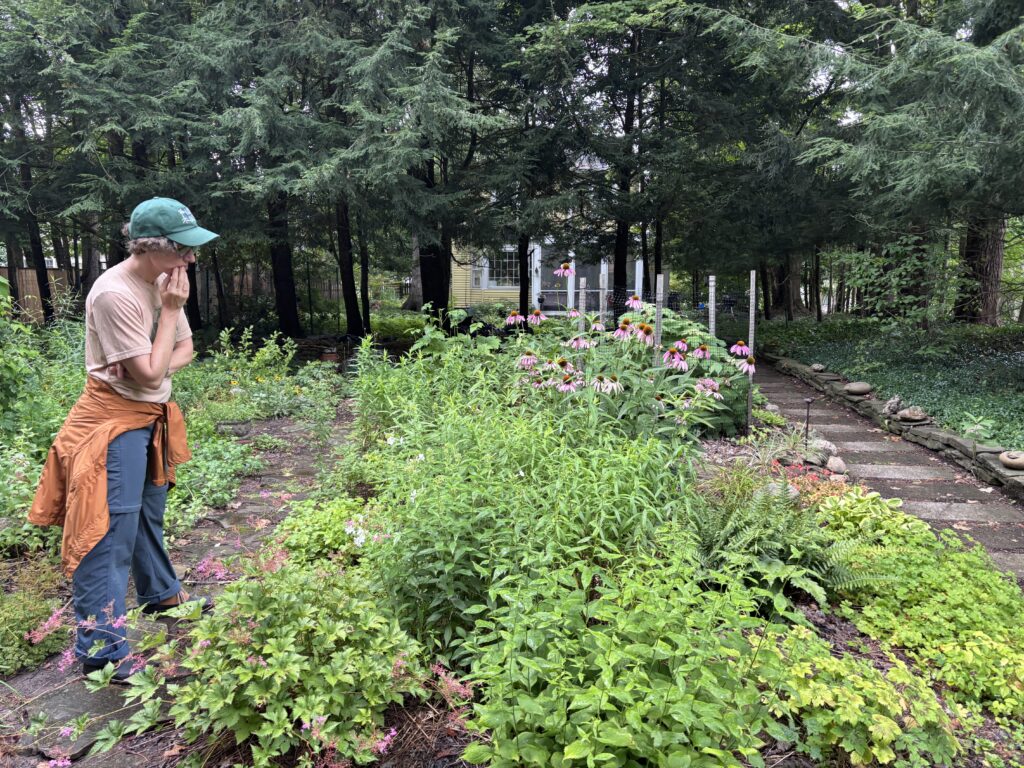
Our East Aurora tour brought us to the beautiful front and backyard of Lynn Chimera, a master gardener who has spent years developing an established shade garden.
In a small and intimate group, members explored the yard, asked questions and learned from Lynn’s years of real-world experience growing native plants. It was exactly what we hoped these tours could be: relaxed, conversational and full of opportunities to learn from a fellow gardener.
And sometimes the best part of a garden tour happens after the touring is done. We ended our visit sitting together on the porch, sipping lemonade and talking about plants, gardens and everything we had seen.
Ken-Ton: Two Yards, Two Very Different Conditions
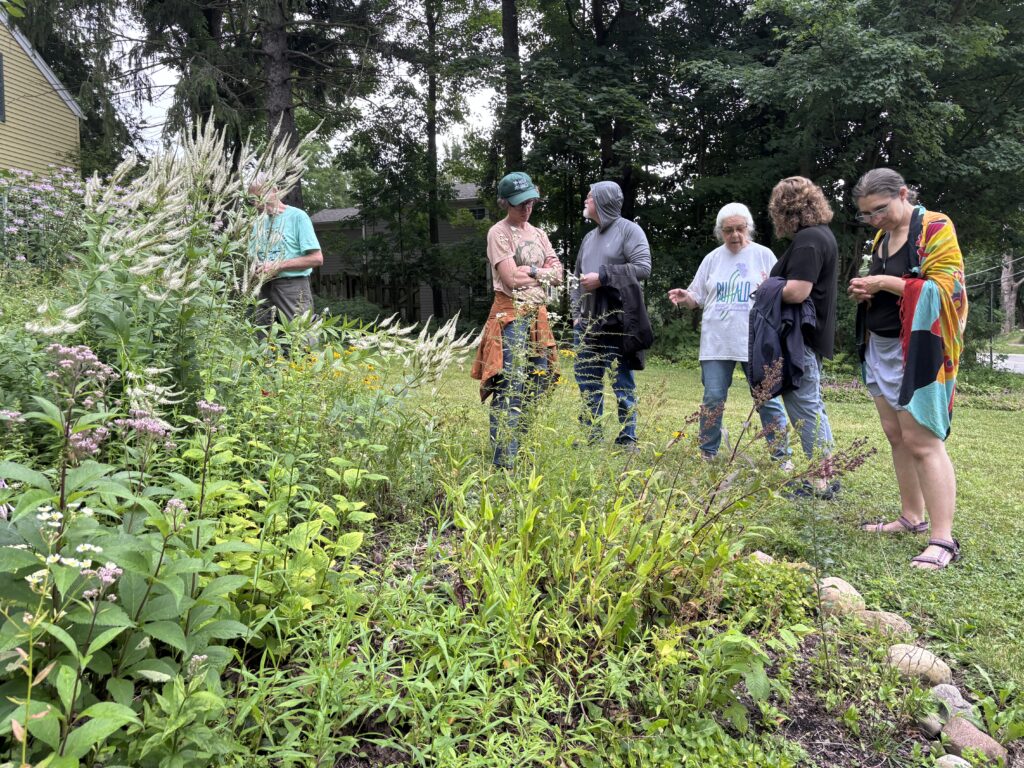
Our Ken-Ton Member-to-Member Yard Tour gave us the opportunity to visit two gardens where homeowners have transformed former lawn into thriving space.
The first was an established, well-loved landscape filled with mature trees and a yard packed with happy shade-loving plants.
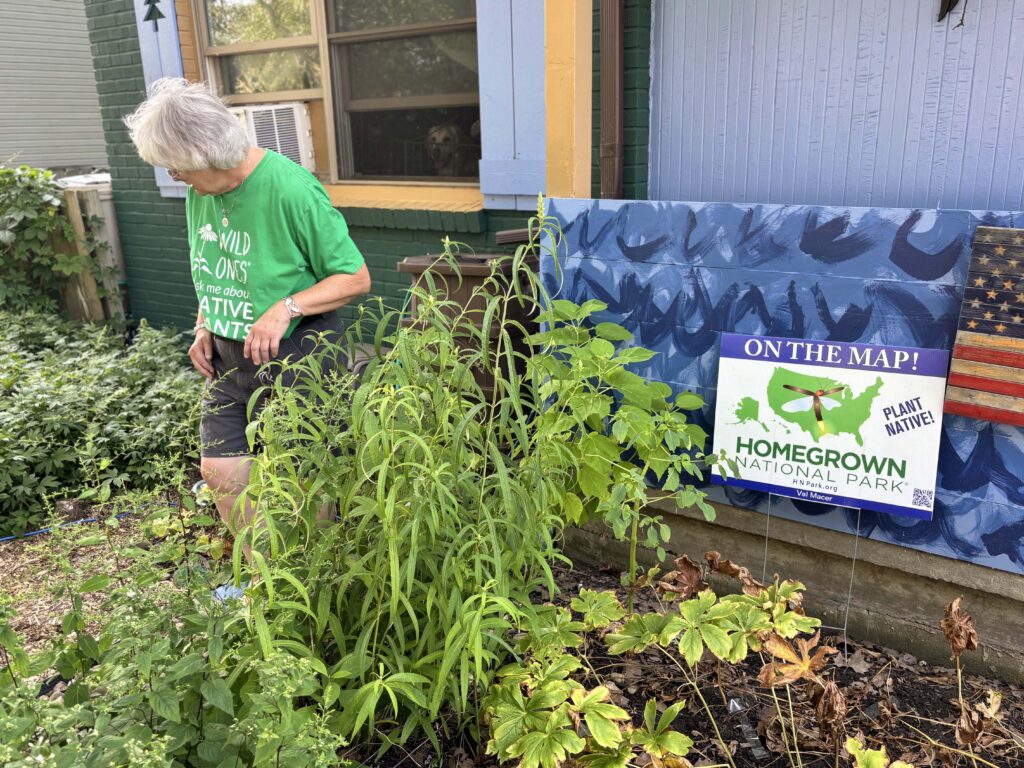
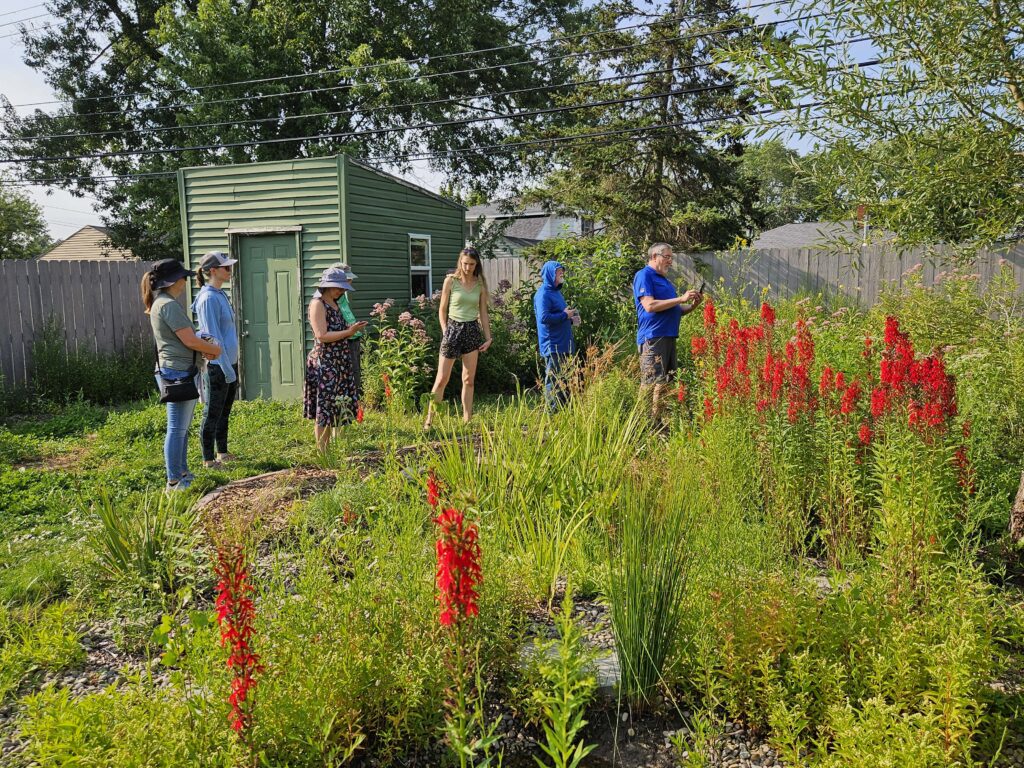
Just a short distance away, members encountered an entirely different gardening challenge: full sun, heavy clay soil and seasonal flooding. Here, the homeowners have embraced those conditions, incorporating a rain garden, drainage swales, a pond and other creative techniques to manage water across the property.
Seeing the two gardens together was a great reminder that native planting isn’t about recreating one particular look. It’s about understanding the land you have and finding plants and approaches that work with it.
Hamburg: More Than 100 Native Species
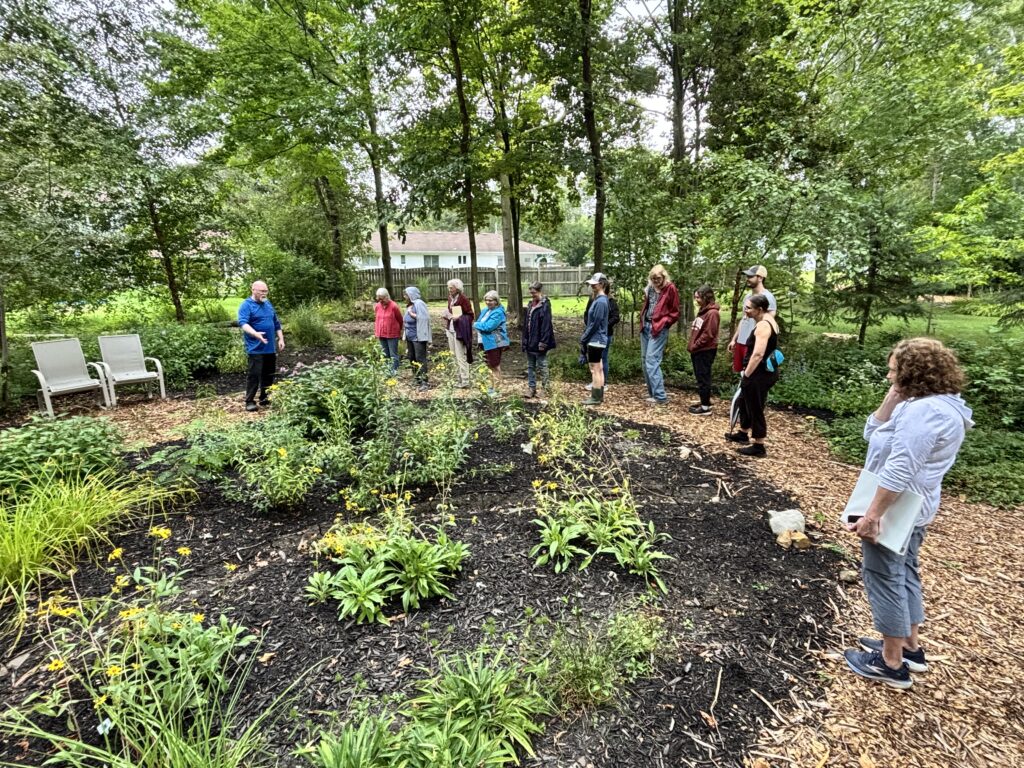
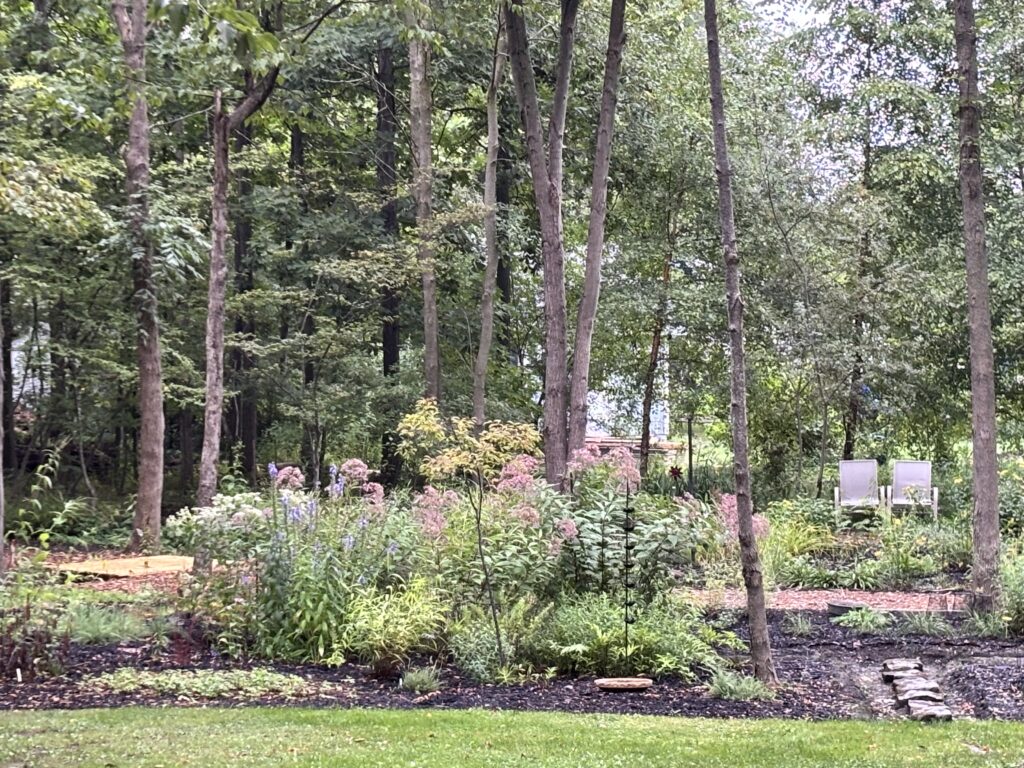
In Hamburg, we explored a large wooded property featuring more than 100 native plant species.
Members wandered native-lined pathways and saw firsthand how the homeowners have steadily transformed the property, replacing invasive plants with natives and creating a landscape that supports biodiversity while still feeling intentional and welcoming.
The property also demonstrated creative approaches to managing water flow — another recurring theme we saw throughout this summer’s tours.
Snyder: Two Takes on a Native Landscape
Our Snyder tour once again gave members two very different interpretations of what a native landscape can be.
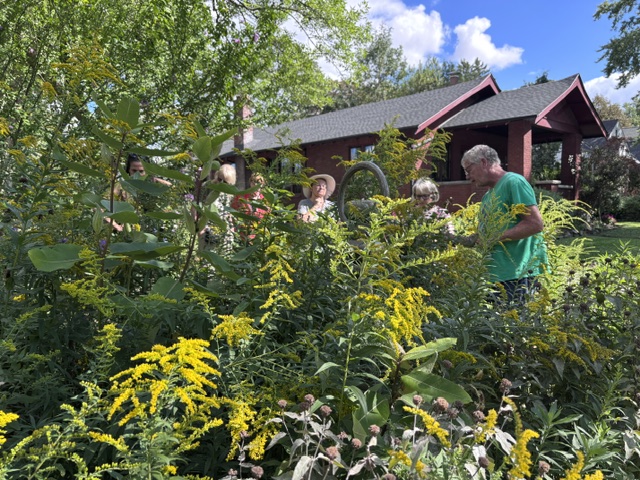
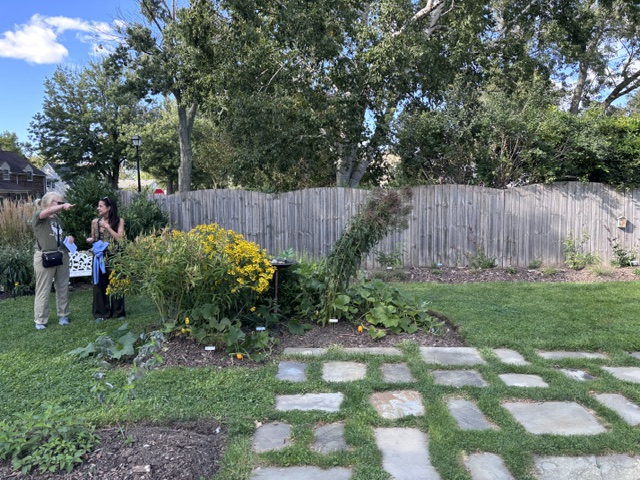
The first was a well-established native plant paradise, with mature trees, meandering stone pathways and dozens of native species tucked throughout the property. Around seemingly every turn was another plant, combination or garden moment to discover.
Then, just two streets away, we visited a front-yard landscape with a much more formal design. Nearly the entire garden is planted with native species, while traditional landscape structure and numerous “cues to care” give it an intentional, designed appearance.
Together, these two gardens demonstrated something we love about native landscaping: there is no single native garden aesthetic. Native plants can work in a loose woodland garden, a formal front yard and just about everything in between.
One More Yard to Explore
We’re not quite finished yet!
Our final Member-to-Member Yard Tour of the season takes place Sunday, September 20, in Cheektowaga.
Celebrate the end of summer with us by exploring one more member landscape and spending time with fellow native plant enthusiasts before we close out this year’s tour season.
These tours have become about much more than seeing beautiful yards. They’re about sharing successes, talking openly about challenges, swapping ideas and learning from people gardening in the same soils, weather and conditions we encounter across Western New York.
Thank you to every member who opened their yard to us this summer — and to everyone who came ready to explore, ask questions and share their own experiences.
We can’t wait to see where our members take us next.